


Microsoft’s AI evolution has accelerated rapidly over the last two years, but the introduction of Microsoft Agent 365 marks something much larger than another Copilot update. It reflects a broader shift in how Microsoft is approaching enterprise AI, particularly around security, governance, and long-term platform control.
Rather than positioning AI as a standalone assistant that simply responds to prompts, Microsoft is evolving toward an AI ecosystem where intelligent agents actively participate in business workflows, collaboration, and decision making across the Microsoft 365 environment.
While this evolution of AI is transforming businesses, it’s also creating new opportunities for cybercriminals. As organizations adopt AI tools more widely, protecting those systems becomes just as important as securing traditional IT environments.
Agent 365 is a shift that marks how Microsoft is redefining the way enterprise AI is secured, managed, and embedded into the workplace. This article will help understand some of the core principles behind securing artificial intelligence, AI security best practices, and from there provide a deep dive into how Agent 365 works and why solutions like this are key for enterprises everywhere.
Table of Contents
What is AI security?
Key principles of AI security include:
- Confidentiality – Protecting sensitive data from unauthorized access
- Integrity – Ensuring AI systems and outputs remain accurate and trustworthy
- Availability – Keeping AI services operational and accessible
- Accountability – Tracking and understanding actions taken by AI systems
AI Security vs. AI for Cybersecurity
Best practices for securing AI systems
AI security best practices boil down to securing AI systems through a combination of strong technology, access controls, and ongoing monitoring. Below is what this looks like more in-depth.
Protect your data
Organizations should secure the data used to train and power AI systems by:
- Encrypting sensitive information
- Using trusted data sources
- Regularly reviewing and cleaning datasets
Secure AI models
- Routine vulnerability testing
- Privacy protections that limit data exposure
- Adversarial training to improve threat detection
Strengthen access controls
Only authorized users should have access to AI systems. Best practices include:
- Role-based access permissions
- Multifactor authentication (MFA)
- Continuous monitoring of access activity
Monitor and update systems
- Regularly performed audits
- Automated monitoring tools
- Consistent & timely system updates
Tools and solutions for AI security
Security frameworks
Frameworks like the National Institute of Standards and Technology AI Risk Management Framework provide guidance for identifying and reducing AI-related risks.
Encryption and data protection
Encryption helps secure sensitive data and AI models, reducing the impact of potential breaches.
AI security tools
Dedicated AI security tools can help organizations monitor AI systems, detect vulnerabilities, enforce policies, and maintain compliance.
What is Microsoft Agent 365? The New Enterprise AI Security Tool
The first generation of workplace AI largely focused on helping individuals complete isolated tasks. Users asked questions, generated content, or summarized meetings through a chatbot style interface.
Microsoft Agent 365 represents the next stage of that evolution.
Instead of functioning as a disconnected assistant, Agent 365 is designed to operate natively inside the Microsoft ecosystem, connecting workflows, collaboration tools, business data, and security controls into a more unified AI framework.
- Sensitive company data
- Compliance requirements
- Identity management policies
- Cross platform collaboration
- Governance and audit expectations
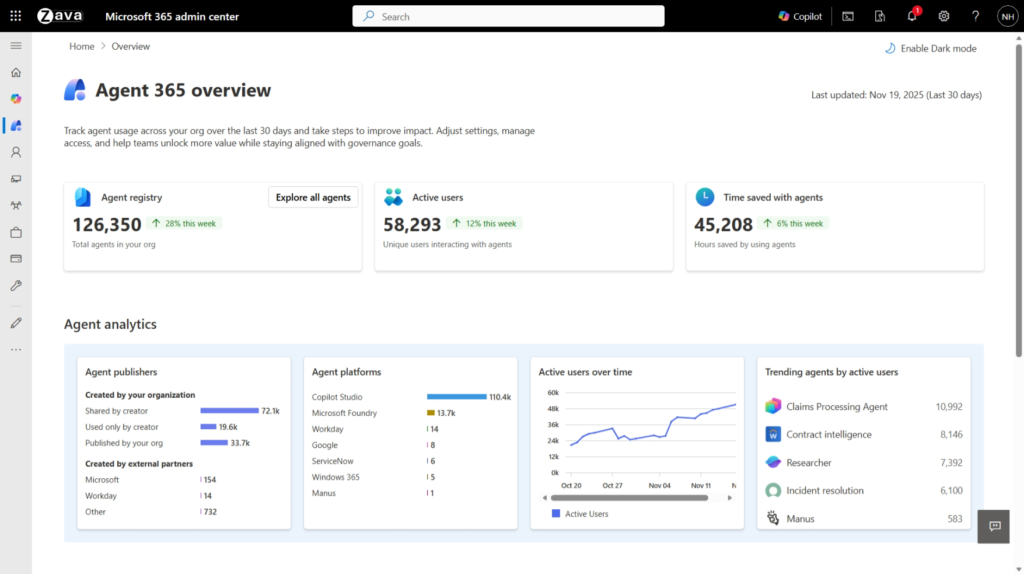


Microsoft’s strategy is increasingly focused on solving those enterprise concerns at the platform level.
Inside a large enterprise, even a small agent can touch incredibly important data. Access to files, tickets, customer data, internal tools, permissions, etc… makes “set it and forget it” a null and void option. Governance isn’t glamorous, but once a company experiences their first incident, it takes on a whole new meaning.
Building AI With Security at the Core
Again, As AI adoption expands, organizations face new risks:
- Data oversharing
- Unauthorized AI access
- Shadow AI usage
- Prompt injection attacks
- Data leakage across collaboration environments
- Compliance and regulatory exposure
This approach gives organizations more visibility and control over how AI accesses, surfaces, and interacts with business information.
Instead of AI operating outside enterprise governance frameworks, Microsoft is moving toward AI that inherits the same security boundaries organizations already rely on across Microsoft 365.
AI Platform Ownership: Reducing Dependence, Strengthening Control
That shift has important implications for enterprise customers:
- More predictable AI governance
- Greater long term platform stability
- Deeper native integration across Microsoft workloads
- Improved alignment between innovation and AI security policies
- Stronger enterprise trust around data handling and compliance
For organizations investing heavily in Microsoft 365, this signals that Microsoft is not simply layering AI on top of existing tools. It is rebuilding the workplace experience around securing artificial intelligence while maintaining enterprise-grade control.
Microsoft Agent 365 represents a major step toward that future.
Informed to Thrive: What’s Next in AI, Microsoft, and Business Evolution
Our world is evolving fast, and businesses are being challenged to keep up. Subscribe to our newsletter for practical insights, expert guidance, and the latest updates on AI, cybersecurity, Microsoft innovation, and business technology trends.